86-13400725797
 info@homertrimmings.com




The best indoor cat house meets your cat’s need for safety, warmth, and comfort. Choose a model with insulated walls and soft, padded floors to create a cozy retreat. Avoid any house with sharp edges, small parts, or toxic materials. For extra warmth, consider heated options from HOMER that feature weatherproof construction and easy-to-clean removable lids.
Key Takeaways
-
Verify non-toxic materials and sturdy construction to keep your cat safe.
-
Choose a size and design that matches your cat's sleeping style and warmth needs.
-
Select a house with easy-clean features and place it in a quiet, warm area.
How to Identify Your Cat’s Needs for the Best Indoor Cat House
Size, Body Type, and Sleeping Habits
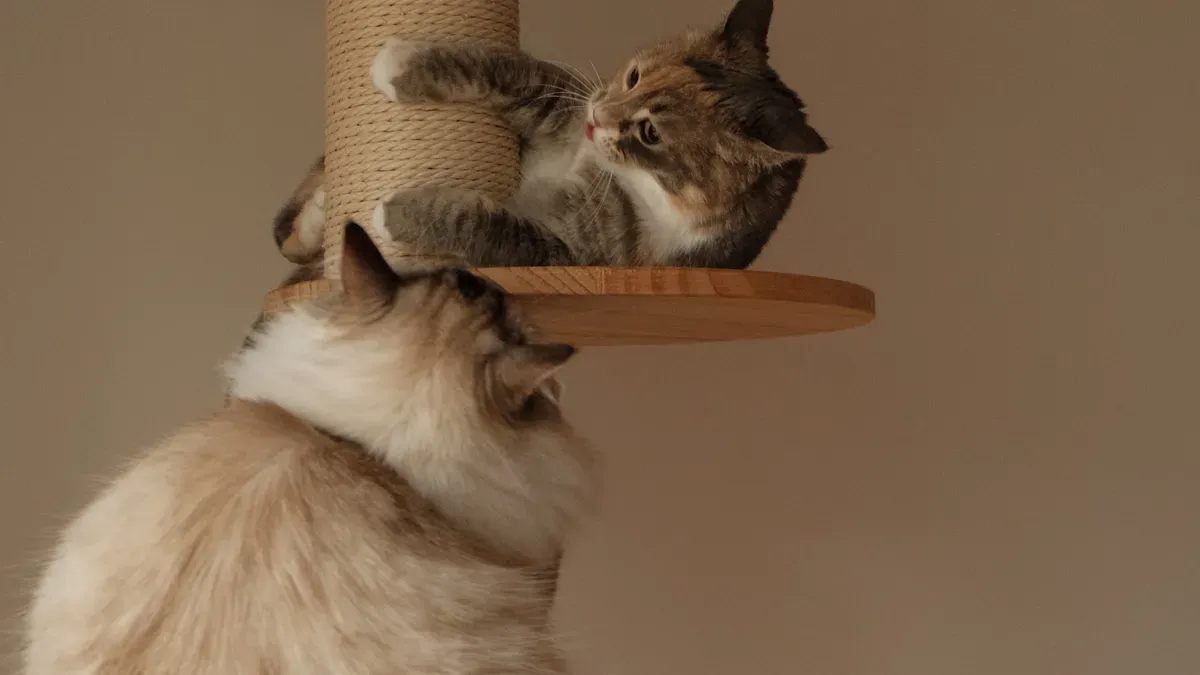
You should measure your cat from nose to tail base and note their sleeping posture. A curled sleeper needs a compact cave. A sprawler needs a wider floor. Large breeds like Maine Coons require extra headroom. Slim cats prefer snug walls for security. Watch where your cat naps. That spot reveals their preferred house dimensions.
Age and Health Considerations
Kittens explore and chew. Senior cats need gentle access. A veterinarian should assess your cat's individual health status. The ASPCA advises that a veterinarian should assess a new cat or kitten to determine the best diet, noting that factors such as age, activity level, and health affect what and how much a cat should eat. This same principle applies to housing. Arthritic cats struggle with high entries. The following table summarizes key design needs for senior cats.
|
Specific Need |
Design/Bedding Feature |
Rationale |
|---|---|---|
|
Pressure relief for joints |
Memory-foam or orthopedic foam base |
Distributes pressure across hips, elbows, shoulders, and spine |
|
Pain-free access |
Low-entry design (no step above 3–4 inches) |
Even a small step is painful for stiff joints |
|
Confidence and safety |
Stable, non-wobbly construction with wide bases |
Wobbly furniture causes fear or falls |
|
Warmth for stiffness |
Enclosed cave-style design that traps heat |
Retains heat and reduces morning stiffness |
|
Rest and security |
Draft-free, quiet sleeping zones |
Senior cats prefer structure, security, and warmth |
|
Hygiene |
Washable covers and removable pads |
Senior cats shed more and may have accidents |
Multi‑Cat Homes and Space‑Saving Designs
Multiple cats need separate resources. Feline behavior research identifies several design features that reduce conflict.
-
Private retreats: Single-cat-sized hiding areas placed away from high-traffic zones.
-
Escape routes: Clear retreat paths such as smaller tunnels or narrow ledges.
-
High observation posts: Elevated vantage points with clear views and immediate access to hiding spots.
You can also choose wall-mounted perches or stacked units. These designs expand vertical territory without consuming floor space. The best indoor cat house for a multi-cat home offers multiple entrances and compartments.
The Best Indoor Cat House: Safety, Comfort, and Practicality
Non‑Toxic Materials and Sturdy, Tip‑Proof Construction
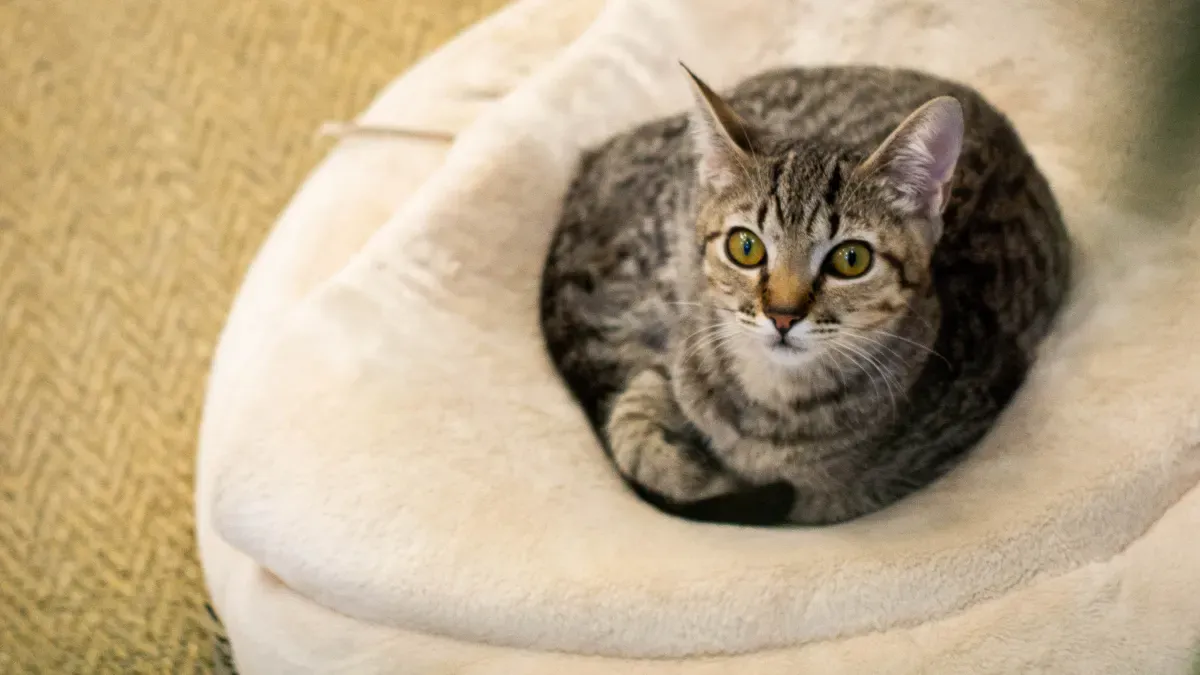
The materials inside your cat house directly affect your cat’s health. Low-quality cat furniture often contains toxic chemicals. You should verify every component before purchase. The following table summarizes the most common toxins found in budget cat houses.
|
Toxic Chemical |
Common Source in Cat Furniture |
Health Risks |
|---|---|---|
|
Formaldehyde |
Textiles, foams, adhesives, bonding agents |
Respiratory issues, skin/eye irritation, cancer with long-term exposure |
|
Flame Retardants (PBDEs, Antimony, Boric Acid) |
Flammability-treated foams and fabrics |
Hormone disruption, neurological problems, cancer, feline hyperthyroidism |
|
PFAS (“Forever Chemicals”) |
Stain- and water-resistant coatings |
Hormone disruption, immune system issues, liver damage, increased cancer risk |
|
Pesticides (Arsenic) |
Fabric treatments against insects, mold, pests |
Digestive problems, skin irritation, neurological damage, cancer |
|
VOCs |
Synthetic fabrics, adhesives, foams |
Headaches, dizziness, respiratory irritation, long-term organ damage |
|
Phthalates |
Vinyl and other synthetic fabrics |
Endocrine disruption, reproductive issues, developmental problems, increased cancer risk |
Polyurethane foam, synthetic fillers, and synthetic fabrics can release these toxins over time. Off-gassing from foam may cause respiratory issues. Synthetic dyes absorbed during grooming can trigger allergic reactions. These chemicals appear in carpets, human furniture, and other household items where your cat naps. Choosing a best indoor cat house means selecting one certified free of these substances. HOMER cat houses use child-safe, non-toxic materials throughout. You do not need to worry about formaldehyde off-gassing or phthalate exposure. Every foam pad, fabric cover, and adhesive meets strict safety standards.
Sturdy construction prevents tip-over accidents. Cats jump, pounce, and scratch with surprising force. A standard wood screw in particleboard fails after repeated loads. In tests, a single M8 wood screw in standard particleboard has withdrawal resistance of roughly 600–800 N. A 10 kg cat impact at 3–5 times body weight generates 300–500 N peak force at a single fastener. After 3,000–5,000 load cycles, withdrawal resistance drops to 30–40% of the initial value as fibers around the thread compress. The engineering fix converts wood-thread joints to metal-thread joints. Products meeting verified structural specifications maintain 3–5% return rates. Non-compliant products see 15–22% returns driven by stability complaints. The following specifications ensure a tip-proof design:
-
Base footprint: minimum 65×65 cm for towers up to 150 cm
-
Base board thickness: minimum 20 mm high-density particleboard or 18 mm plywood
-
Post diameter: minimum 11 cm up to 130 cm height; minimum 12 cm above 130 cm
-
Fastener type: M10 steel bolt with metal T-nut insert at all platform connections
-
Screw engagement depth: minimum 30 mm into solid board
-
Dynamic load testing: repeated application of 3–5 times body weight, minimum 10,000 cycles
HOMER designs meet or exceed these specifications. The wide, weighted bases prevent tipping. M10 steel bolts with T-nut inserts maintain joint integrity over thousands of cycles. Your cat can pounce and play without risk.
Cozy Bedding, Enclosed vs. Open Designs, and Temperature Control
A cat’s thermoneutral zone starts at 86°F and above. Keeping your home between 86 and 101 degrees would be ideal for feline warmth, but this range is usually impractical for most households. Drafty homes often fall far below this range, leaving your cat searching for warmth. The best indoor cat house maintains a consistent temperature regardless of room conditions.
Insulated cat houses solve this problem. They use high-density insulation modules made from low-conductivity materials to trap heat and block cold air. A wind-sealed design helps lock in your cat’s natural body heat. Waterproof outer materials prevent rain and snow from entering. These features allow the interior to stay warm even when outside temperatures reach 32°F (32°F). Insulation alone does not require electricity, though you can add heated pads for extra warmth.
The design choice between enclosed and open houses affects temperature control. Enclosed cave-style houses trap body heat effectively. Open beds allow more airflow but provide less warmth. Senior cats and short-haired breeds benefit from enclosed designs. Long-haired cats may prefer open houses with good ventilation. HOMER cat houses combine insulated walls with soft padded floors. The weatherproof construction keeps your cat warm in cold homes. For added warmth, the heated options provide consistent, safe heat without fire hazards. Your cat stays cozy even on the coldest days.
Easy Cleaning, Placement, Budget, and Style
Easy cleaning protects your cat’s health. Look for removable lids and washable covers. HOMER designs include these features, making maintenance simple. Removable pads let you machine-wash bedding regularly. Vacuum access points allow quick hair and dust removal. A clean house reduces allergen buildup and keeps your cat comfortable.
Place the house in a quiet, warm area away from drafts and direct sunlight. Avoid high-traffic zones where noise may disturb your cat. Near a radiator or sunny window works well in winter. Keep the house away from cold floors like tile or concrete. A low-entry design helps senior cats access their house easily.
Budget considerations should focus on long-term value. A durable best indoor cat house costs more initially but lasts years. Cheap houses require replacement within months. The cost per use of a quality house is lower than multiple budget replacements. Choose a house that fits your space and complements your decor. HOMER cat houses come in neutral tones that blend with your furniture. The designs prioritize function without sacrificing appearance. Your cat gets a safe, warm retreat. Your home maintains its aesthetic appeal.
The best indoor cat house balances safety, comfort, and your cat's unique personality. Always verify non-toxic materials, sturdy construction, and easy-cleaning access. Let your cat test the house and watch their reaction. For a reliable option, check out HOMER cat houses. They feature insulated walls, soft padding, and child-safe materials. Place the house in a quiet, warm area away from drafts and direct sunlight.
FAQ
How Do You Verify Non-Toxic Materials in a Cat House?
Check for certifications like GREENGUARD Gold. HOMER cat houses use child-safe, non-toxic materials. You avoid formaldehyde, phthalates, and flame retardants completely.
What Size Cat House Fits Your Cat Best?
Measure your cat from nose to tail base. Add 50% extra space for sprawlers. Curled sleepers need compact caves. HOMER offers multiple sizes for every body type.
Where Should You Place an Indoor Cat House?
Choose a quiet, warm spot away from drafts and direct sunlight. Avoid high-traffic zones. HOMER houses feature insulated walls that maintain warmth in any room location.