86-13400725797
 info@homertrimmings.com



Heat transfer labels are widely used in the apparel industry to display brand logos, size information, care instructions, and decorative graphics directly on fabric. Unlike traditional sewn-in labels, they are applied to a garment using heat and pressure, creating a smooth finish without an additional fabric label stitched into the clothing.
For clothing brands, sportswear manufacturers, and garment suppliers, heat transfer labels offer a flexible way to combine product identification with brand presentation. They can be customized in different colors, shapes, sizes, and surface effects, including flat printed designs and raised 3D silicone logos.
But what are heat transfer labels made of? Which materials are suitable for different garments? And how do you choose between silicone, rubber, PVC, and other transfer label options? This guide explains the materials, applications, benefits, and customization considerations, with examples from Homer's published heat transfer label products.
What Are Heat Transfer Labels?
Heat transfer labels are customized designs or graphics transferred onto a fabric surface through controlled heat and pressure. The design is typically prepared on a transfer carrier and then applied to the garment using a heat press or another suitable heat application method.
They are also commonly called heat press labels, iron-on labels, or tagless labels when used to replace traditional sewn-in neck labels. Once properly applied, the logo or information becomes part of the garment's surface rather than hanging from a separate woven or printed fabric tag.
Heat transfer labels can display a brand logo, clothing size, care information, decorative artwork, or other product details. Depending on the material and production process, they can have a flat printed appearance, a soft-touch surface, or a raised three-dimensional effect.
Homer offers different custom heat transfer labels for garment applications, including silicone transfer labels, tagless clothing labels, and 3D raised logo designs.
What Materials Are Used in Heat Transfer Labels?
The material determines the texture, flexibility, appearance, and performance of a heat transfer label. Different materials can create different effects, so the best choice depends on the garment fabric, logo design, and intended use.
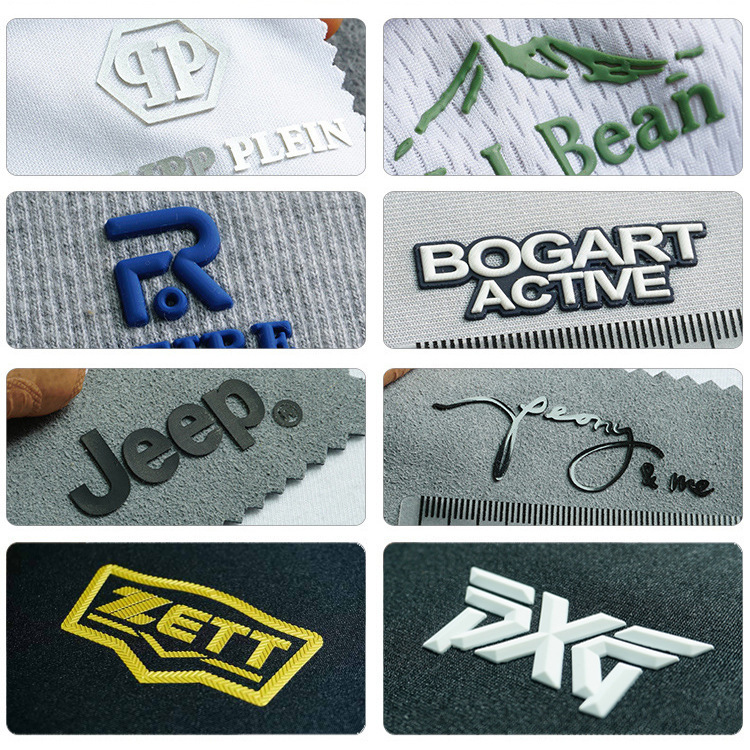
Silicone: Silicone is commonly used for soft-touch and raised 3D heat transfer labels. It can create an embossed appearance that makes a brand logo more noticeable without adding a traditional sewn label. Homer's published 3D silicone heat transfer products use silicone as one of their listed materials and are designed for customized garment branding.
PET film: PET film is listed as a material for several Homer heat transfer label products. In transfer applications, it can serve as part of the carrier or transfer construction, helping the printed design be positioned and applied to the garment. Its role depends on the specific product structure.
PU: PU is listed among the material options for Homer's 3D silicone heat transfer label product. It can be considered for transfer designs where the required surface feel and flexibility need to be matched with the target garment.
Rubber: Rubber is another material option listed for certain raised transfer labels. It can be used to create a distinctive raised logo appearance for clothing and accessories.
PVC: PVC appears in the material specifications of some Homer 3D heat transfer products. It can be considered when the required design calls for a particular raised or molded visual effect.
Not every material is suitable for every fabric or garment construction. Buyers should confirm material compatibility with the supplier and test the finished label on the actual fabric before bulk production.
Common Types of Heat Transfer Labels
Heat transfer labels are available in different constructions and visual styles. Choosing the right type depends on whether the priority is a smooth tagless finish, a raised logo, decorative branding, or garment information.
Flat printed heat transfer labels: These labels display logos, text, and graphics in a relatively flat finish. They are suitable for brand identification and garment information where a smooth printed appearance is preferred. Homer's tagless clothing label product lists PET film, plastic, and silicone among its materials and describes printed transfer designs in Pantone-matched colors.
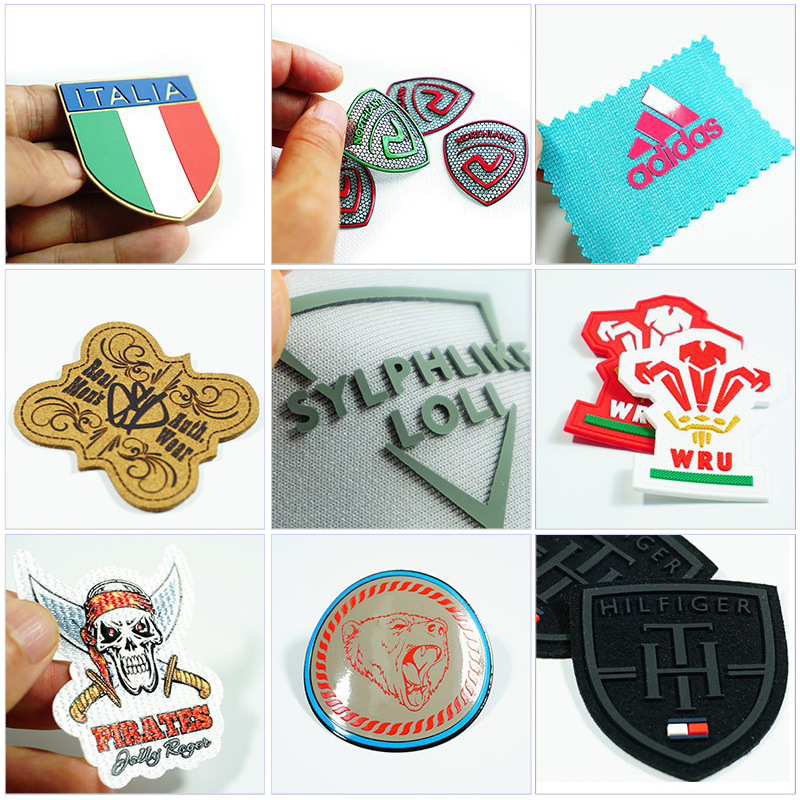
3D silicone heat transfer labels: These labels create a raised effect that gives logos more visual depth and texture. They are often selected for sportswear, casual clothing, and garments that use prominent logo details. Homer lists customized 3D silicone transfer labels with customer-specific sizes and colors.
Rubber or PVC raised transfer labels: These options can provide a more defined raised appearance. The final texture and flexibility depend on the material formulation and construction. They should be tested against the target fabric and garment use conditions.
Reflective heat transfer labels: Reflective transfer designs can be used when a garment requires a reflective visual detail. Homer's heat transfer label category includes a rainbow reflective logo sticker product intended for garments, including fashion, streetwear, and sportswear applications.
Puff heat transfer labels: Puff transfer labels are designed to expand when heated, creating a raised three-dimensional effect. Homer's category also lists a luminous 3D heat transfer puff label, which is described as absorbing light and glowing in the dark after exposure to sunlight or lamp light.
Brands can explore the Homer heat transfer label collection to compare different label styles and identify a suitable design direction.
Where Are Heat Transfer Labels Commonly Used?
Heat transfer labels are used across different clothing categories because they can combine garment identification and decorative branding in one application. Their suitability depends on the fabric, label material, and application process.
Sportswear and activewear: Sports T-shirts, leggings, training tops, and other athletic garments often use heat transfer logos and labels. A smooth tagless design can help reduce the feeling of a separate sewn label against the skin, while a raised silicone logo can provide a more distinctive brand appearance.
Casual clothing: T-shirts, hoodies, sweatshirts, and everyday apparel can use heat transfer labels for neck branding, size information, or decorative graphics. The design can be customized to match the garment's color and overall style.
Baby and children's clothing: Tagless labels can be considered for garments where brands want to avoid a traditional sewn-in neck tag. Fabric softness and material suitability should still be evaluated for the intended garment and wearer.
Outerwear and fashion garments: Heat transfer logos can be applied to selected jackets, casual outerwear, and fashion pieces. Homer lists 3D silicone heat transfer labels as suitable for cotton, quarry-faced nylon, Lycra, denim, and leather fabrics, with genuine leather requiring additional testing.
Accessories and other textile products: Depending on the material and construction, heat transfer designs can also be used for products such as bags, hats, and other fabric accessories. The target surface should be tested before confirming the production method.
For garment brands that need different labeling solutions across product lines, Homer also provides wash care labels for displaying garment care and maintenance information.
What Are the Main Benefits of Heat Transfer Labels?
Heat transfer labels offer several practical advantages for clothing manufacturers and brands. Their value is not limited to replacing sewn-in labels; they also provide more options for garment branding and visual customization.
A smooth tagless finish: When used as an alternative to sewn-in neck labels, heat transfer designs can create a flatter finish on the garment. This is useful for brands that want to reduce the presence of a separate fabric tag.
Flexible logo customization: Heat transfer labels can be customized with different logos, sizes, and colors. Homer lists CMYK and Pantone color options for its heat transfer products, allowing designs to be matched with a brand's visual identity.
Different visual effects: Flat printing, raised silicone, reflective designs, and puff effects provide different ways to present a logo. Brands can select a finish based on the product's style and intended market positioning.
Suitable for different garment applications: Depending on the material and application process, heat transfer labels can be used on selected cotton, nylon, Lycra, denim, and other fabric surfaces. Compatibility testing remains important because different fabrics respond differently to heat and pressure.
Brand information stays on the garment: Unlike a loose hang tag, a properly applied heat transfer design is attached directly to the fabric. This makes it useful for garment logos, size information, and other branding details that need to remain with the product.
Application flexibility: Some heat transfer labels can be applied using a household iron, while others are designed for an industrial heat press. The appropriate equipment and settings depend on the specific label construction.
Heat Transfer Labels vs. Woven Labels: Which Should You Choose?
Heat transfer labels and woven labels serve similar branding purposes, but they differ in construction, appearance, and application. Neither option is automatically better for every garment. The right choice depends on the product design and the brand's priorities.
Construction: Woven labels are made by interlacing yarns to form text and graphics. Heat transfer labels use a printed or formed design that is applied directly to the fabric using heat and pressure.
Appearance: Woven labels have a textile texture and can provide a traditional label appearance. Heat transfer labels can create a smooth finish, detailed printed graphics, or a raised 3D effect depending on the selected material and process.
Application: Woven labels are generally attached through sewing. Heat transfer labels are applied using a suitable heat transfer process. This difference can influence garment construction and production workflow.
Comfort: Heat transfer labels can be a suitable choice when a brand prefers a flat, tagless finish. Woven labels may have a more noticeable textile texture, although the actual comfort depends on the label material, edge construction, and placement.
Design requirements: Heat transfer labels can be useful for colorful graphics, small branding details, and raised effects. Woven labels are often selected when a brand wants a fabric-based label with a classic appearance.
For a more detailed comparison, read Homer's article on woven labels vs. heat transfer labels.
Some clothing brands use both types across different products. For example, a brand may use a woven label on the outer garment or seam while choosing a heat transfer label for the inside neck area.
How Are Heat Transfer Labels Applied to Clothing?
Heat transfer application involves positioning the label on the target fabric and applying controlled heat and pressure for a specified period. The exact process varies by product, material, transfer adhesive, and fabric type.
Homer's published product pages provide different application settings for individual label models. For example, its HHTL-S020 3D silicone heat transfer label lists the following operation parameters:
- Temperature: 140–160°C
- Time: 8–12 seconds
- Pressure: 3–5 kg
- Peeling: Cold peel or hot peel
Another Homer product, the HHTL-S021 3D heat transfer label for garments, lists a different application temperature and time:
- Temperature: 145–150°C
- Time: 13–15 seconds
- Pressure: 3–5 kg
- Peeling: Cold peel or hot peel
These are product-specific settings published by Homer, not universal instructions for all heat transfer labels. Always follow the supplier's instructions for the exact label model and test the transfer on the actual garment fabric before production.
A typical application process includes the following steps:
- Prepare and clean the fabric surface.
- Position the transfer label in the required location.
- Set the heat press according to the label manufacturer's instructions.
- Apply the specified heat, pressure, and pressing time.
- Peel the carrier film according to the recommended hot-peel or cold-peel method.
- Inspect the transferred label for adhesion, edges, and appearance after cooling.
For bulk garment production, a sample test is important. It helps confirm that the transfer adheres properly without damaging, shrinking, discoloring, or distorting the fabric.
How to Choose the Right Custom Heat Transfer Label
Selecting a heat transfer label requires more than choosing a logo shape or color. The label should be compatible with the fabric and suitable for the garment's expected use and care conditions.
Identify the garment fabric: Start by confirming whether the garment is made from cotton, nylon, Lycra, denim, polyester, or a fabric blend. Some materials are more sensitive to heat than others. Homer specifically notes that genuine leather requires additional testing before applying its 3D silicone heat transfer labels.
Choose the material and surface effect: Silicone can be considered for a soft-touch or raised 3D effect, while other listed materials such as PU, rubber, and PVC may be evaluated for different product designs. The final choice should be based on the actual sample and fabric compatibility.
Confirm the logo and dimensions: Prepare the logo artwork and specify the required label length and width. Homer states that its heat transfer label dimensions can be customized according to customer requirements.
Match the brand colors: If the label needs to match a specific brand identity, provide Pantone references or clear artwork files. Homer lists CMYK and Pantone color options on several of its heat transfer product pages.
Consider washing and wear requirements: Clothing labels may be exposed to repeated washing, friction, stretching, and drying. Discuss the intended garment care conditions with the supplier and request testing on the actual fabric. Do not assume every material or transfer design has the same wash durability.
Request a sample before mass production: A sample allows the brand to check the appearance, texture, adhesion, and compatibility with the garment before confirming a larger order.
Homer's 3D silicone heat transfer clothing labels are one example of a customizable option. The product page lists PET film, plastic, and silicone as materials, with customer-specific logo, size, and color customization.
Custom Heat Transfer Labels from Homer
Xiamen Homer Trimmings Co., Ltd. provides garment accessories and printing products, including printed labels, heat transfer labels, hang tags, stickers, paper bags, and paper boxes.
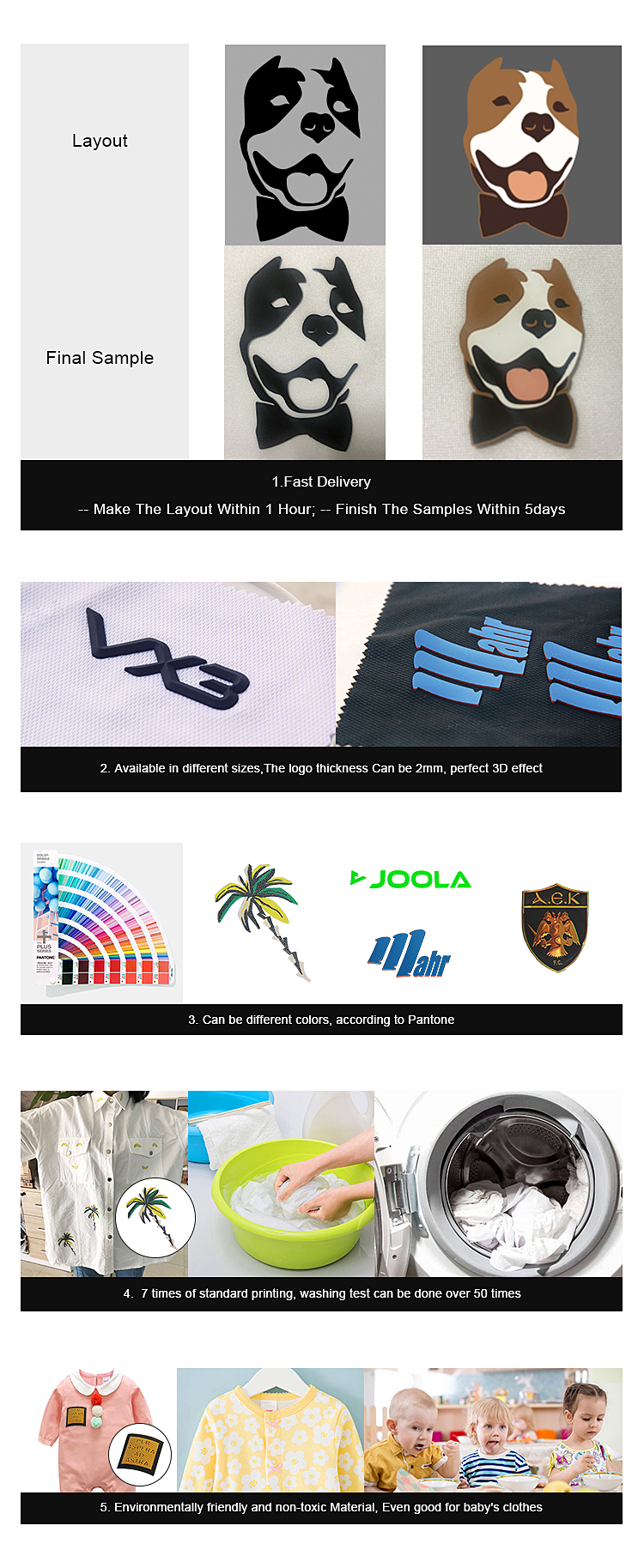
Homer's published heat transfer label range includes tagless clothing labels, 3D silicone heat transfer labels, raised transfer designs, and other customized garment branding options.
According to its product pages, customization can include logo artwork, dimensions, and colors. Several listed products use PET film, plastic, and silicone, while other 3D label models list material options such as PU, rubber, and PVC.
Homer also provides product-specific application instructions and lists sample and bulk production lead times on individual product pages. Buyers should confirm the current specifications, production schedule, and sample requirements for their selected design before placing an order.
Whether you need a simple tagless neck label or a raised silicone logo for sportswear, choosing the right material and transfer method is essential for achieving the expected appearance and performance.
To discuss your design, fabric type, and customization requirements, visit Homer's contact page and share your artwork or product details with the team.
Frequently Asked Questions About Heat Transfer Labels
What are heat transfer labels used for?
Heat transfer labels are used to apply brand logos, size information, care details, and decorative graphics directly onto garments or other compatible fabric surfaces. They are also used as tagless labels to replace traditional sewn-in neck labels.
What materials are commonly used in heat transfer labels?
Common materials and components include PET film, silicone, plastic, PU, rubber, and PVC, depending on the product construction. Homer's published products list different combinations of these materials for its heat transfer label range.
Are heat transfer labels suitable for sportswear?
Yes. Heat transfer labels are used for sportswear and athletic garments, including T-shirts and other performance clothing. A suitable material and application process should be selected according to the fabric and garment requirements.
Can heat transfer labels be applied to cotton and nylon?
Some heat transfer label products are suitable for cotton and selected nylon fabrics. Homer lists cotton, quarry-faced nylon, Lycra, denim, and leather among the fabric applications for one of its 3D silicone heat transfer label products. Genuine leather requires additional testing.
Are heat transfer labels washable?
Many heat transfer labels are designed for washable garment applications, but wash performance depends on the material, application conditions, and fabric. Buyers should confirm the washing requirements for the selected product and test samples before bulk production.
What is the difference between flat and 3D silicone heat transfer labels?
Flat heat transfer labels have a relatively smooth printed appearance, while 3D silicone heat transfer labels create a raised effect that adds depth and texture to the logo. The choice depends on the desired branding style and garment design.
What temperature is needed to apply heat transfer labels?
The required temperature depends on the specific label model. For example, Homer's HHTL-S020 product lists 140–160°C for 8–12 seconds, while its HHTL-S021 product lists 145–150°C for 13–15 seconds. Buyers should follow the exact product instructions rather than using one setting for every label.
Can heat transfer labels be customized with a company logo?
Yes. Homer lists custom logo, size, and color options for its heat transfer labels. Buyers can provide their artwork and color references to discuss the required design.
Are heat transfer labels better than woven labels?
Neither option is better for every garment. Heat transfer labels are useful for smooth tagless finishes and certain printed or raised logo effects, while woven labels offer a traditional textile construction. The choice depends on garment design, comfort preferences, branding, and production requirements.